What Counts as Treasure Under UK Law? The Treasure Act 1996 Explained
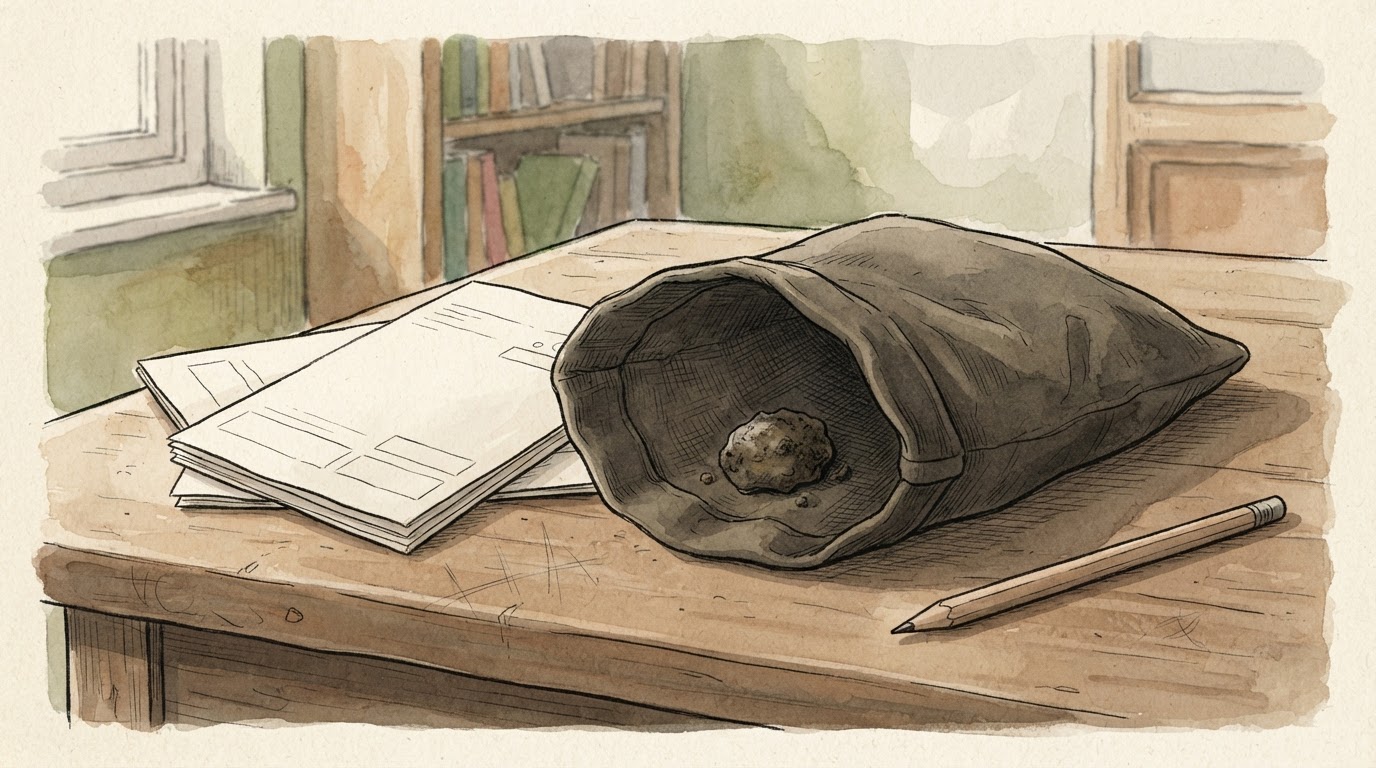
A Bronze Age axehead lies beside a Victorian silver thimble in the finds tray. Which of these two discoveries requires a coroner’s report within 14 days? The answer—the base-metal axehead, not the silver thimble—hinges on the Treasure Act 1996’s precise rules, which often run counter to intuition.
A single silver coin, pulled from a muddy field, can spark a dilemma every detectorist knows: is this legally treasure? The answer rests solely on age, metal content, and a few precise rules from the Treasure Act 1996.
Where people often stumble isn’t the definition, but the deadline. You can have the find of your life and still fall foul of the law by missing the reporting window. This guide lays out the exact categories that define treasure, clarifies your legal duty, and explains what happens after you report—so you can focus on the thrill of the find, not the fear of getting it wrong.
Your Reporting Duty and Timeline
The moment you suspect an object could be treasure, your obligation under the Treasure Act begins: you must notify the coroner.
📺 Watch: RECORDING YOUR METAL DETECTING FINDS WITH THE F.L.O UK METAL DETECTING — THE GRIM BLEEPER
This duty is separate from landowner permission. Permission covers your right to be on the land. The Treasure Act governs what happens to specific objects you unearth. They are distinct legal matters; one doesn’t cancel out the other.
Failing to report a qualifying find can lead to the item being seized and potential legal consequences. The National Council for Metal Detecting’s code advises that if in doubt, show it to a Finds Liaison Officer. The official role of the FLO, as outlined by the Portable Antiquities Scheme, is to assist with the reporting process. Starting the process begins a dialogue, not an automatic penalty.
Reporting doesn’t mean you automatically lose your find. It starts an official process where the item is examined. If it meets the legal definition, the Crown has a right to acquire it. That right is balanced by a fair compensation process for the finder and landowner.
If you’re holding something you’re unsure about, the safest course is simple: stop digging in that spot, record the exact location carefully, and get in touch with your local FLO. You don’t need to be certain it’s treasure—a reasonable suspicion is enough.
Key Reporting Steps
- Day 0: You discover an object that could be treasure.
- Within 14 days: You must notify the coroner.
- If unsure: Contact your FLO immediately; don’t wait for the deadline to pass.
The Legal Categories of Treasure
The Act defines treasure through specific categories. These are the concrete rules that determine the status of the object in your hand.
1. Precious Metal Objects: Any metallic object (other than a coin) found after 24 September 1997, which is at least 300 years old and contains at least 10% gold or silver by weight. A 17th-century silver spoon qualifies. A Victorian silver thimble likely does not—it’s probably not old enough yet. The 300-year line is fixed.
2. Coins: Any coin from the same find that is at least 300 years old. This means a single, very old coin discovered on its own can be treasure. The “same find” condition is crucial for hoards: multiple coins buried together are all treasure if they meet the age threshold, even if some are base metal like copper.
3. Prehistoric Metal Hoards: Two or more metallic objects of any material from the same prehistoric find. This category surprises many. It covers Bronze Age tools and weapons—like axeheads or daggers—and applies regardless of whether they contain precious metals. A group of Bronze Age copper items is treasure.
4. Significant Finds (Post-2023): Following amendments to the Act, objects at least 200 years old that fall within certain designated classes may also qualify, even without precious metal content. The specific classes are detailed in the official Treasure Act Code of Practice. Check the latest government guidance if your find might fit here.
A critical, and often overlooked, provision is the associated objects rule. Objects discovered in the same archaeological context as a qualifying treasure item are themselves treated as treasure, even if they don’t individually meet the age or metal thresholds.
Consider this: you unearth a medieval silver ring and a plain lead seal in the same hole, clearly buried together. The ring is treasure. The lead seal, on its own, is not. But because they were found together, the seal is also legally treasure. Both must be reported.
This is the hidden catch. Detectorists familiar with the precious metal rules can miss the associated objects provision, leading to an incomplete report. When in doubt, photograph everything carefully before moving it, and describe the full context to the FLO.
What Happens After Reporting
Once you’ve notified the coroner, a Finds Liaison Officer will contact you. They work with the Portable Antiquities Scheme and handle the initial assessment and paperwork.
The find is sent for expert examination to confirm its age and composition. This is where the legal definition is officially applied. If it is confirmed as treasure, the Crown’s right to acquire it is triggered. This is a statutory right, not a mere suggestion.
What follows depends on whether that right is exercised. If a museum wishes to acquire the find, the Treasure Valuation Committee sets a fair market value. The finder and landowner are entitled to a share of this sum. You don’t simply hand it over for nothing.
If the Crown decides not to acquire it, the find is returned to you. The Act provides for this outcome; confiscation is not automatic.
The valuation process can be slow, and not every treasure find is ultimately acquired by a museum. Regardless, the correct first step is always to report. Don’t let uncertainty about the final outcome delay that initial contact.
If you’re questioning whether something qualifies, call your FLO. That’s their job. Most would far prefer to look at an item that turns out to be non-treasure than to deal with a late report.
Common Misconceptions
“Landowner permission means I don’t have to report.” Wrong. Permission relates to access for detecting. The Treasure Act reporting duty is a separate legal requirement. One does not override the other.
“Only gold items are treasure.” Incorrect. Silver qualifies as a precious metal. Base-metal coins can be treasure if part of a qualifying hoard. Prehistoric bronze objects are covered under the hoards category. The definition is broader than many think.
“If I retrieve it quickly, I can keep it.” The law doesn’t work like that. The duty to report arises at the moment of discovery, not retrieval. Finding a hoard on Saturday and reporting on Monday means you’ve missed the deadline.
“Bad condition means it’s not treasure.” Condition is irrelevant to the legal test. A heavily corroded Elizabethan silver sixpence would still be treasure if it meets the age and metal thresholds. A mint-condition Victorian silver shilling is not, because it falls short of the 300-year mark. The law cares about age and material, not preservation.
Quick Reference: Treasure Categories
| Category | Description | Key Criteria |
|---|---|---|
| 1: Precious Metal Objects | Metallic items (not coins) found after 1997 | At least 300 years old, 10% gold or silver |
| 2: Coins | Coins from the same find | At least 300 years old |
| 3: Prehistoric Hoards | Bronze Age metalwork | Two or more objects from same prehistoric find |
| 4: Significant Finds | Objects at least 200 years old | Designated classes, post-2023 amendments |
| Associated Objects Rule | Items found in same context | Treated as treasure even if they don’t meet thresholds |
Answers to Frequent Questions
Do all old coins need reporting?
Not every single coin. Only coins that are at least 300 years old and found as part of the same find as other coins automatically qualify. A lone Georgian copper coin might not meet the definition. However, if you’re uncertain, report it. An FLO can give you a definitive answer, and an unnecessary report is far better than a missed one.
What if I was detecting without permission?
Trespass and treasure law are separate issues. Reporting a find doesn’t absolve you of trespass, but it is still your legal duty regarding the find itself. The clear advice is always to secure permission first. Both obligations—gaining permission and reporting treasure—are important and independent.
Should I clean something before reporting?
No. Report it exactly as found. Take in-situ photos, note the location, and avoid cleaning. Patina and soil context provide vital evidence for experts. Once removed, that information is lost forever. If the object is wet, you can wrap it in damp tissue to prevent cracking as it dries, but don’t scrub or use chemicals.
Your Next Steps
The Treasure Act operates on clear rules based on age, metal, and context. The associated objects rule is the subtle clause that often catches people out. But the most urgent part is the reporting deadline—it starts the instant you make the discovery.
Understanding these rules doesn’t dim the excitement of a find. It means you’re prepared to handle it correctly when luck strikes.
If you have a specific find that doesn’t seem to fit neatly, contact your local Finds Liaison Officer without delay. They handle these questions daily and are there to help. For a simple way to keep track of permissions, finds, and critical deadlines, use our free checklist.
Get the Free Metal Detecting Permission & Reporting Checklist
The Portable Antiquities Scheme database holds records of thousands of finds that would have been lost to history without detectorists who understood the Act’s rules. The official links below provide the tools for that understanding.
Official Sources and Guidance
Explore More Topics
Go deeper on specific topics:
- What to Do If You Find Something Valuable While Metal Detecting in the UK
- Do You Have to Report Everything You Find Metal Detecting in the UK?
- Can You Keep What You Find Metal Detecting in the UK?
- What Happens If You Don’t Report a Treasure Find in the UK?
- Should You Clean a Coin Before Reporting It as Treasure in the UK?