Do You Need Permission to Metal Detect in the UK?
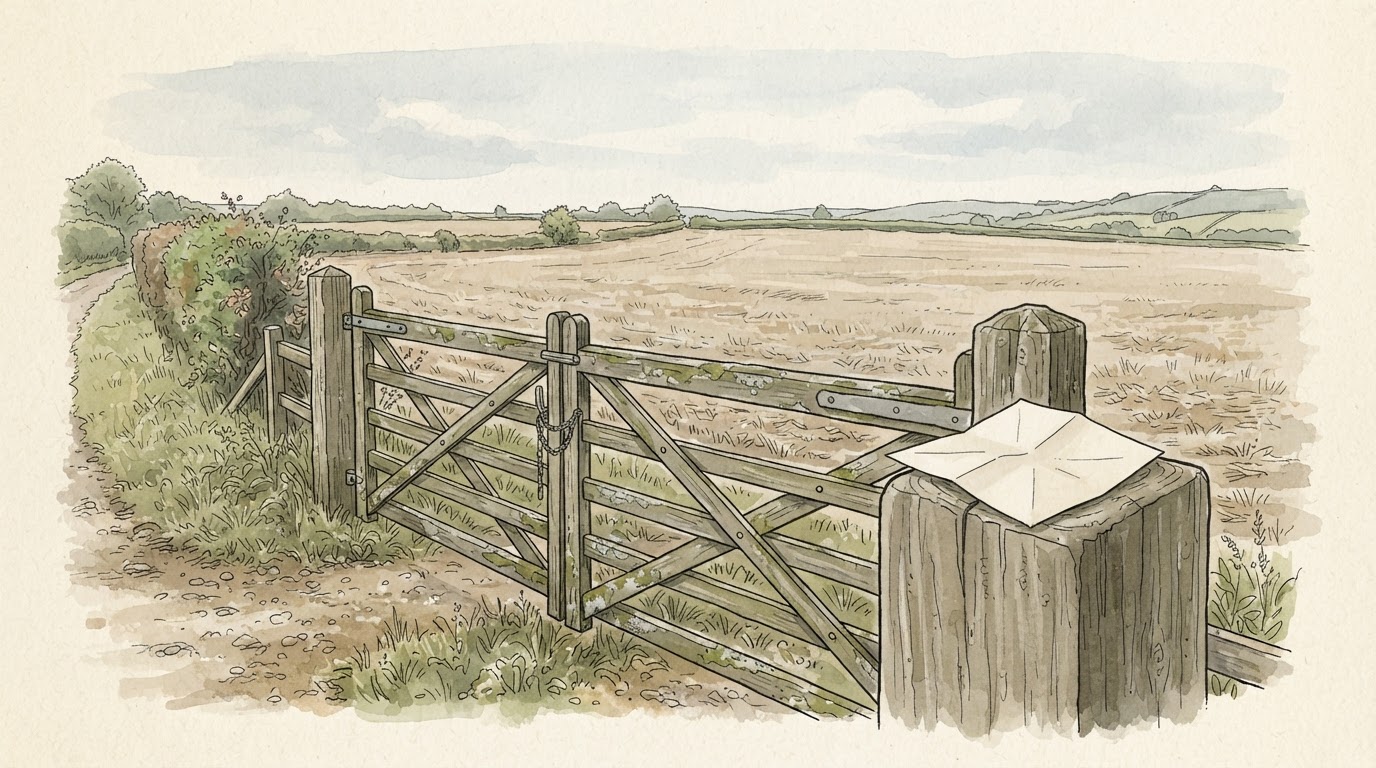
Before you can even ask a landowner for permission to metal detect, you must first ask if the land itself can be permissioned at all. Certain ground is legally off-limits regardless of who owns it: scheduled monuments, Sites of Special Scientific Interest (SSSIs), and Ministry of Defence land fall into this category. This preliminary filter—‘can this land be permissioned?’—runs before the ownership question. Only when the land is not statutorily protected does the matter of private ownership and consent become relevant.
Your own garden is one clear exception where permission is inherent. The Crown Estate foreshore between mean high and low water marks is another, though local bylaws can still apply. Understanding this layered permission structure is the foundation of responsible detecting.
Getting permissions right isn’t just about avoiding legal trouble; it’s about building a sustainable hobby where landowners welcome you back. This guide clarifies the legal landscape so you know exactly where you can and cannot detect.
The “Right-to-Roam” Misconception
Many newcomers mistakenly believe the right-to-roam grants them detecting rights. This is a fundamental error.
While the Countryside and Rights of Way Act provides public access to certain lands for recreation, it is designed for passive pursuits like walking. The statutory guidance associated with the Act makes it clear that activities involving digging, soil disturbance, or object removal are not covered. Metal detecting, by its nature, involves all three.
This means public parks, footpaths, and common land all require explicit permission from the landowner or controlling authority. There’s no grey area here—detecting without permission on these lands is not covered by right-to-roam provisions. Established codes of conduct reinforce this requirement.
The myth persists because people sometimes see others detecting in fields and assume it’s permitted. Often, those detectorists have secured the necessary permissions. Sometimes they haven’t, risking legal consequences. Don’t learn this lesson the hard way.
Securing Permission on Private Land
Every parcel of land in England and Wales has an owner. On private land—whether farmland, woodland, or parks—you need the owner’s consent before detecting.
📺 Watch: How to get permissions for Metal Detecting — Treasure Hunting with Tom & Marie
This rule applies even when boundaries aren’t clearly marked. If land is tenanted, you should confirm consent from both the owner and the occupier. The farmer renting a field may have different concerns from the landowner.
When seeking permission, be specific about your intentions:
- Which fields or areas you wish to detect
- Your commitment to filling all holes
- Whether finds will be reported to the Portable Antiquities Scheme
- How non-treasure finds will be handled
- The duration of the permission
A written record—even a simple email—protects both parties and prevents misunderstandings. Experienced detectorists find that clear agreements lead to long-term detecting opportunities.
Get the Free Metal Detecting Permission & Reporting Checklist to ensure you cover all essentials before approaching a landowner.
Who actually owns the land?
Ownership structures can be complex. A farmer might own the land but lease shooting rights elsewhere. Local authorities may manage parks owned by trusts. If uncertain, the Land Registry’s online portal provides ownership details for registered land, usually for a fee. For unregistered land, local authorities might be able to offer some guidance. This due diligence is worthwhile before detecting somewhere you may be asked to leave.
Getting Started in Your Own Garden
Your own garden offers the most straightforward detecting environment. It’s your property, and any finds are yours subject to the Treasure Act.
It’s also the perfect training ground. Learning your detector’s signals on iron, foil, and genuine targets in familiar soil builds confidence before you detect elsewhere. Many beginners spend considerable time re-digging signals to understand their machine—better to do this in private.
Established gardens often yield surprises. Old pennies, buttons, or buckles can work their way down over decades. While not guaranteed treasure, these finds provide real practice. Mastering your detector at home prepares you to approach landowners with genuine competence.
The Crown Estate Foreshore: A Specific Exception
Beach detecting has a specific exception, but it’s narrower than many realise.
The Crown Estate manages the foreshore—the area between mean high and low water marks. Generally, metal detecting is permitted here under Crown Estate policy. This is the genuine “beach loophole.”
You must stay within the tide marks. Once you move onto dry sand above the high tide line, different rules apply—local authorities or beach managers may impose restrictions. Always check for signage, as conditions vary by location.
The Thames foreshore operates under separate rules managed by the Port of London Authority, requiring explicit permission.
Statutorily Protected Sites: Absolute No-Go Areas
Some areas are completely off-limits to detecting, regardless of permission.
Scheduled Monuments—archaeological sites of national importance—are protected under the Ancient Monuments and Archaeological Areas Act 1979. Detecting here without consent from Historic England (or relevant devolved authority) is a criminal offence. Similarly, detecting on Sites of Special Scientific Interest (SSSIs) is prohibited due to ecological protection, and on Ministry of Defence land due to unexplosed ordnance risks.
The National Council for Metal Detecting code is unambiguous: never detect on scheduled monuments or protected sites. Historic England’s website provides a searchable database of scheduled monuments. Checking this before detecting anywhere new is essential.
The Countryside Code also emphasises respecting wildlife and habitats. Even where detecting is permitted, disturbing nesting birds or damaging vegetation is unacceptable.
Your Legal Duties: Reporting Finds
Finding something valuable triggers specific legal responsibilities.
📺 Watch: XP metal detectors: FLO English Interview [EN] — xpmetaldetectors
The Treasure Act requires reporting certain finds to the coroner within 14 days of discovery or realisation that an object might be treasure. The Portable Antiquities Scheme (PAS), through local Finds Liaison Officers (FLOs), manages this process.
Treasure is defined by the Act and includes items like gold or silver objects over 300 years old and prehistoric base-metal hoards. If uncertain whether something qualifies, report it anyway. The 14-day reporting clock starts when you suspect an item might be treasure. The NCMD advises: when in doubt, show it to your FLO.
For non-treasure finds, ownership typically rests with the landowner unless otherwise agreed. This underscores the importance of clear agreements before detecting.
If you find a potential treasure item:
- Don’t clean it
- Record the find spot accurately
- Contact your local FLO promptly
Most detectorists who’ve reported finds describe the satisfaction of proper recording and the relief of legal compliance.
Common Permission Questions
Can I detect on a beach in Scotland?
Scotland’s Land Reform Act provides different access rights, but metal detecting generally still requires landowner permission. Crown Estate Scotland manages foreshore separately. Always check local regulations.
What if I find a lost detector on private land?
Leave it in place, exit the land, and inform the owner or police. Removing it could constitute theft.
Is common land fair game for detecting?
No. Common land has owners—often trusts or authorities—and requires permission like any private land. Right-to-roam doesn’t authorise detecting here.
Building Sustainable Detecting Practices
The legal framework for metal detecting is more defined than many beginners anticipate. Permission is needed everywhere except your garden and the Crown Estate foreshore between tide marks. Protected sites are strictly off-limits, and the Treasure Act mandates reporting significant finds.
Internalising these principles transforms detecting from a nervous gamble into a secure hobby. Landowners are often receptive when approached professionally with clear agreements about hole-filling and find reporting.
Secure proper permissions before you start detecting. Get the Free Metal Detecting Permission & Reporting Checklist for a step-by-step guide to securing permissions and understanding your Treasure Act obligations.
Legal References and Resources
Explore More Topics
Go deeper on specific topics:
- How to Get Permission to Metal Detect on Farmland in the UK
- Can You Metal Detect on Public Land, Parks or Right to Roam Land in the UK?
- Is It Legal to Metal Detect on Beaches in the UK?
- Do You Need Insurance to Metal Detect in the UK?
- Is It Illegal to Metal Detect Without Permission in the UK?
- How to Start Metal Detecting in the UK: A Beginner’s Step-by-Step Guide
This guide provides general information about the law in England and Wales. The legal context in Scotland is materially different, with distinct access rights and land management frameworks under the Land Reform Act. Always verify specific permissions and legal requirements with a qualified professional or the relevant land management authority.