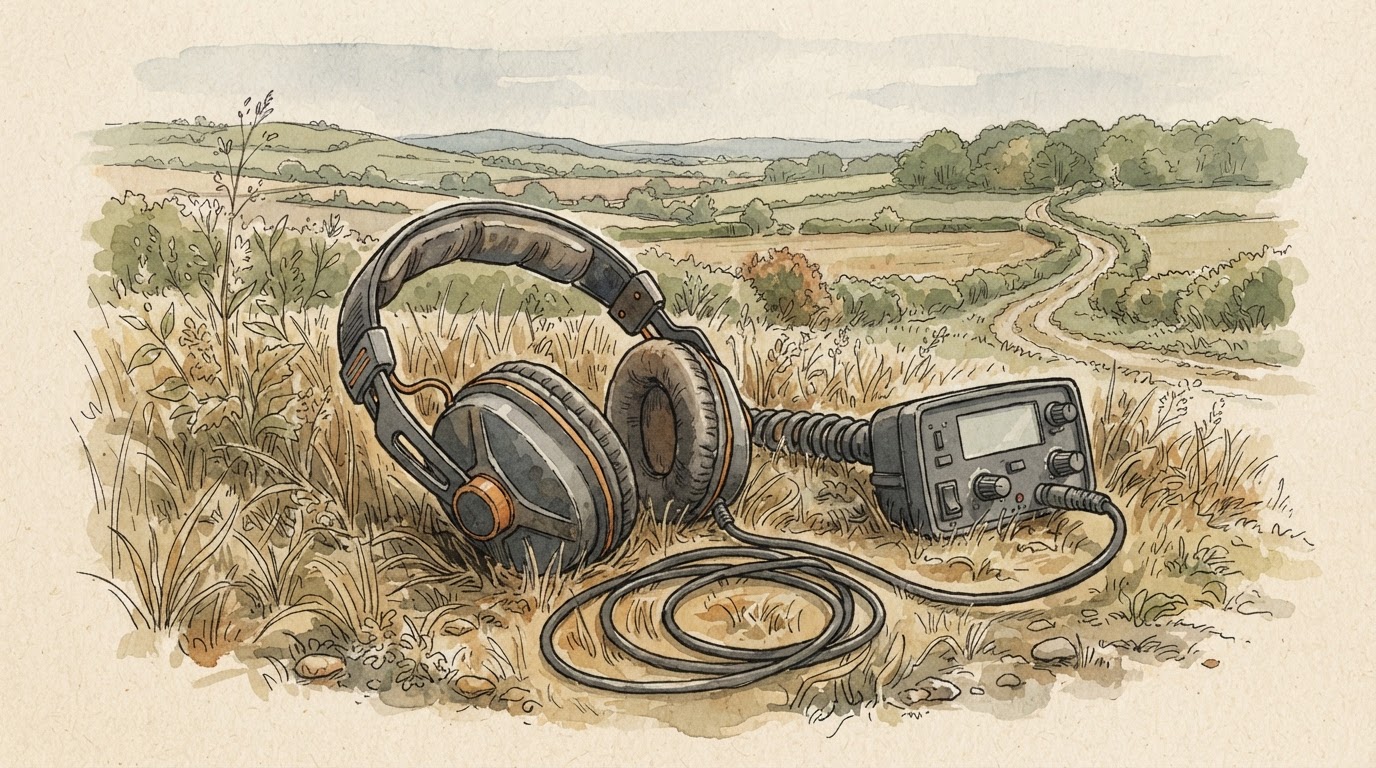
Headphones for Metal Detecting: Wired vs Wireless
Wind noise on farmland makes the speaker useless. Here's how to choose between wired and wireless headphones for metal detecting, based on UK conditions and real user feedback.
Wind noise on farmland makes the speaker useless. Here's how to choose between wired and wireless headphones for metal detecting, based on UK conditions and real user feedback.

Don't let a flimsy bag or wrong tool ruin your first find. We explain why a serrated spade and waist-mounted pouch are the UK standards for pasture and ploughed fields.
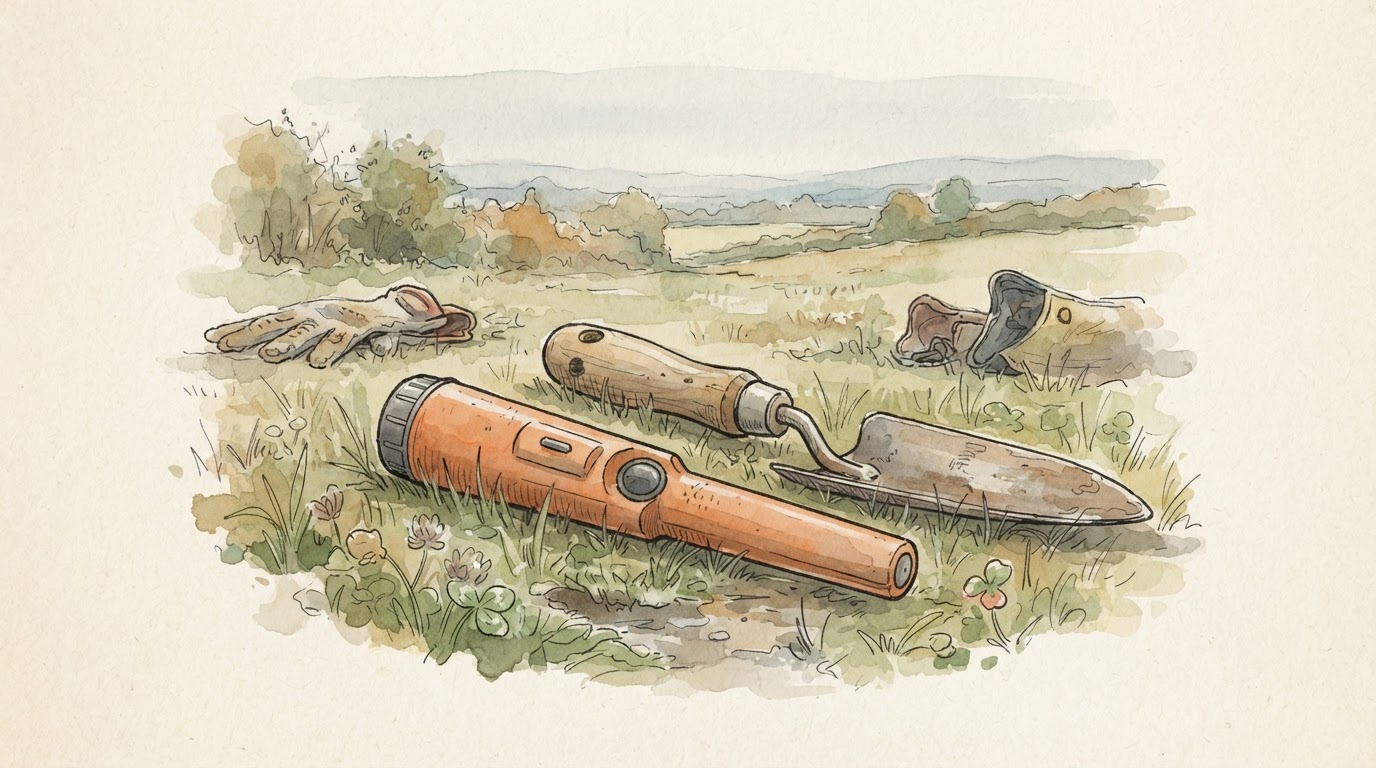
Digging a large hole for a small find is slow and damaging. Here's how a pinpointer speeds up target recovery and protects your finds.
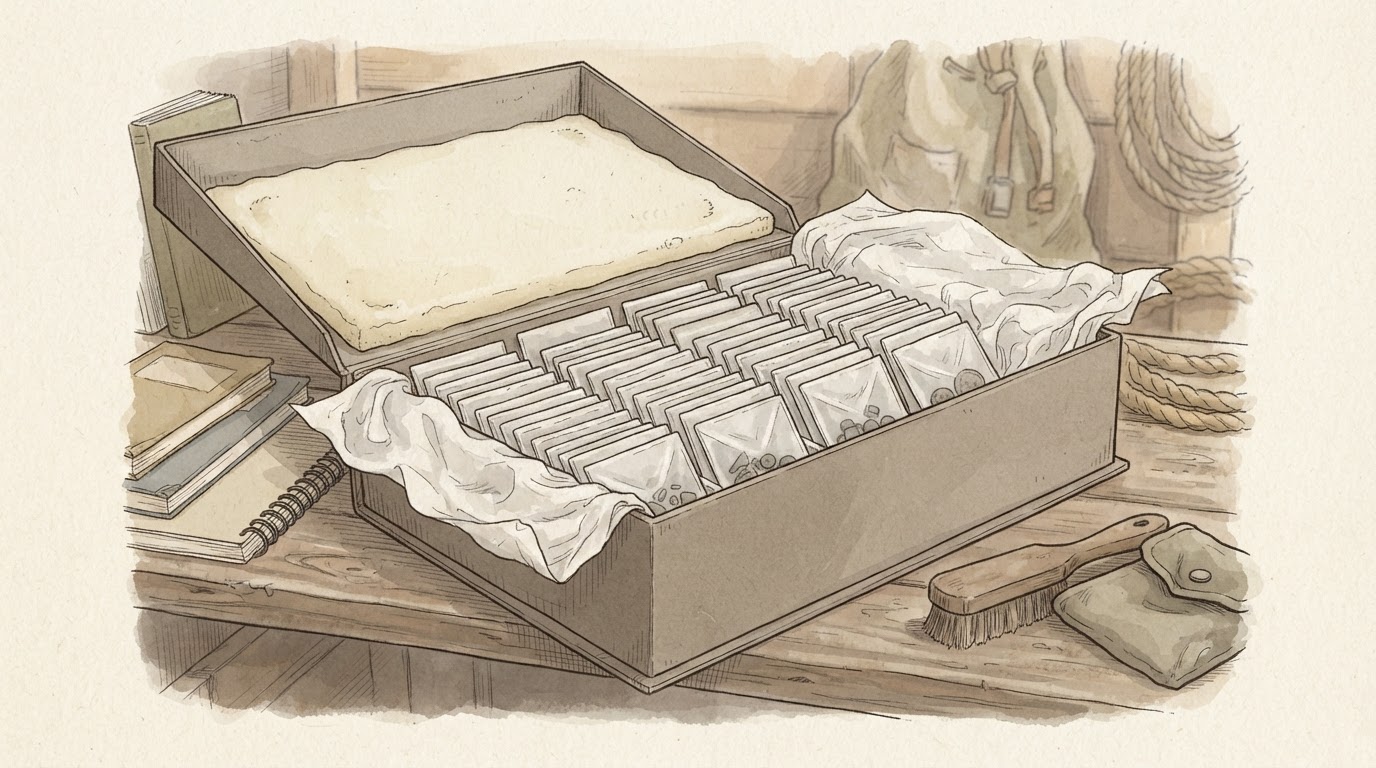
Found a coin with great patina? Don't ruin it by cleaning or storing it wrong. Learn the difference between wax and cream, and why a damp bag is your find's worst enemy.
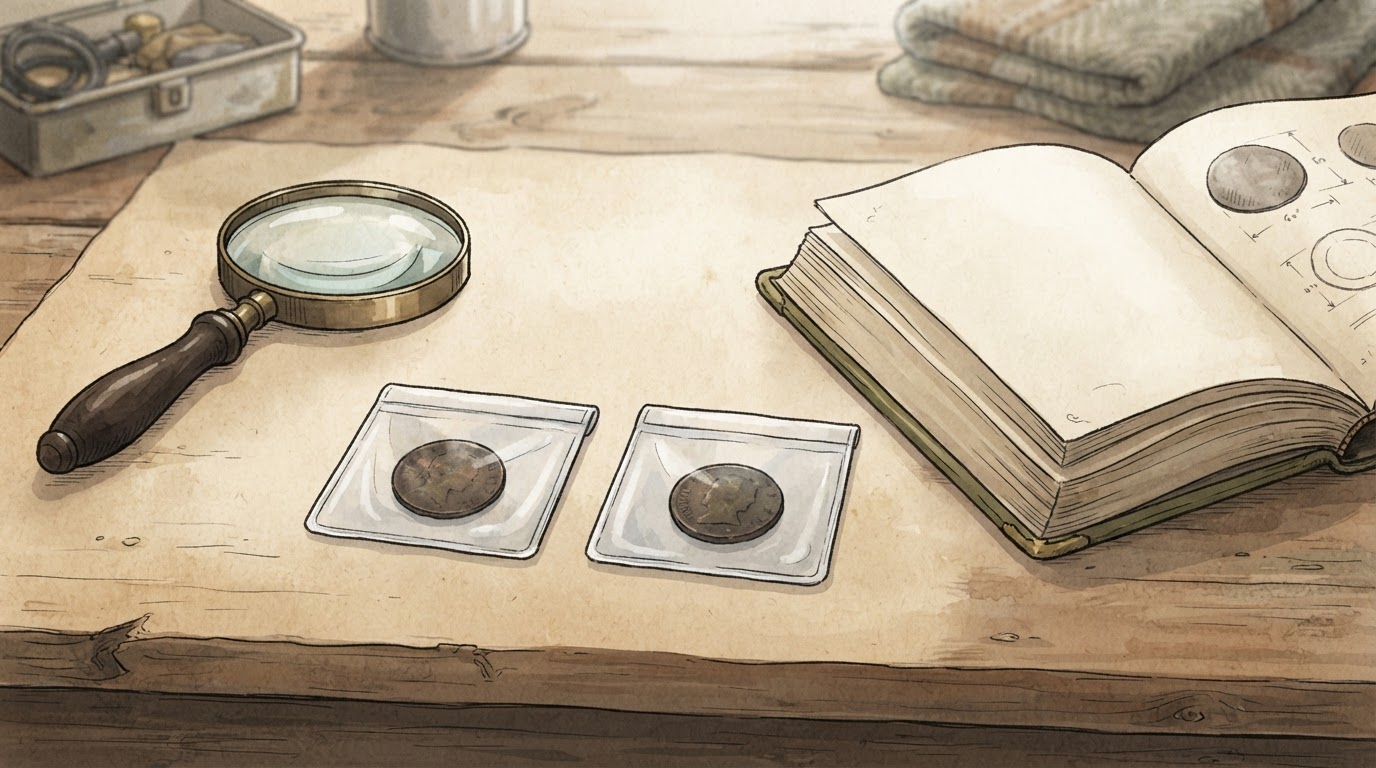
Can't read the date on your old coin? The edge tells the story. Learn how to spot hammered vs milled coins using just the rim, even when the face is worn.

Found a coin in the ground? Don't clean it yet. Here's how to measure, weigh, and identify finds safely before you risk damaging the surface.
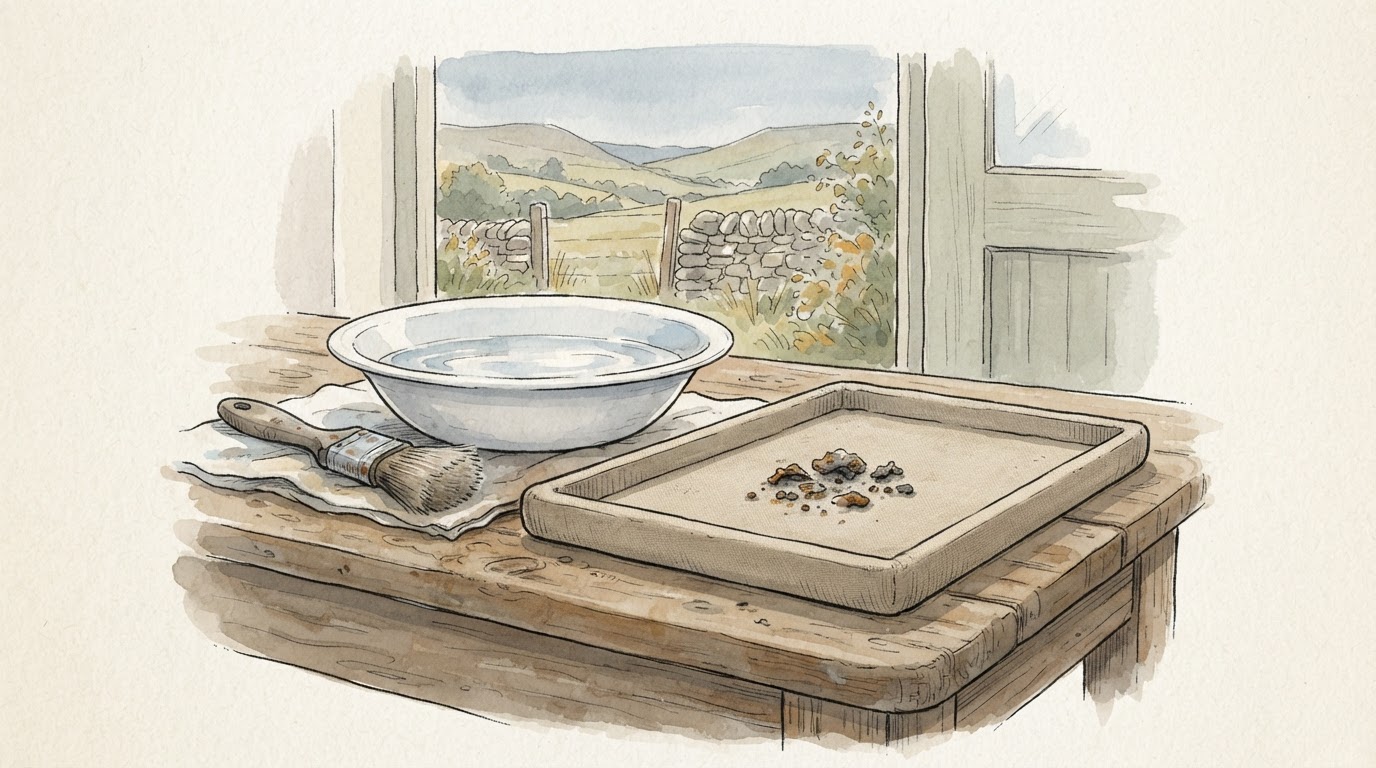
Rubbing mud off with your sleeve is the fastest way to ruin a find. Here's the gentle soaking and brushing method that protects patina and keeps your discoveries valuable.
The 14-day reporting window is a legal obligation, not a suggestion. Miss it and you risk a substantial fine plus forfeiture of your find without compensation. Here's how the law works.
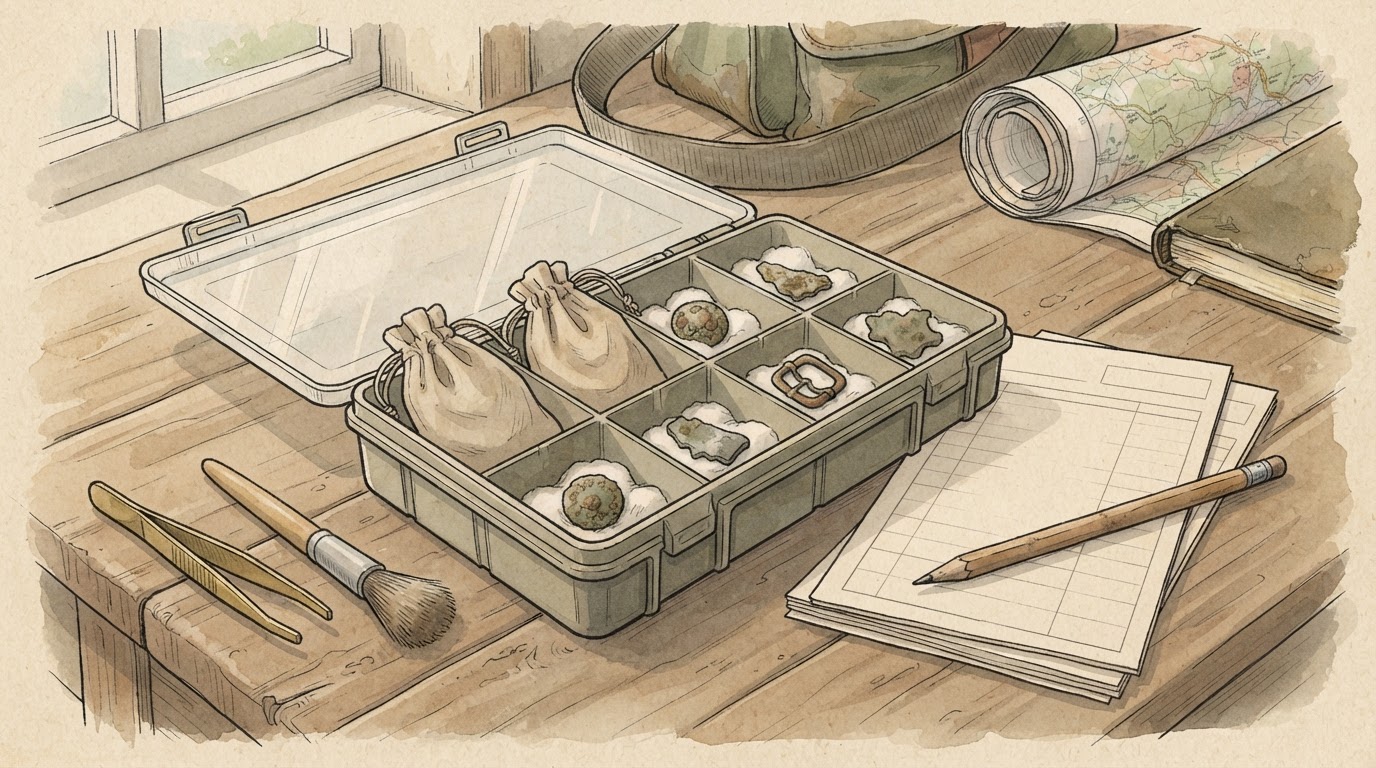
Most people think "finders keepers" applies to metal detecting, but UK law says otherwise. Here's the truth about landowner rights, treasure reporting, and what you can legally keep.

The legal duty to report finds is specific: only items meeting the Treasure Act 1996 criteria (300+ years old, 10%+ precious metal) must be declared. Here's how to identify Treasure and why voluntary recording builds trust.